
 +86 14769960951
RICHI MACHINERY
Floating Fish Feed Extruder Machine
The floating fish feed extruder machine is specifically designed for the production of floating fish feed, as well as other high-quality aquatic feeds. We offer both single-screw and twin-screw configurations to meet a variety of feed production needs. The production capacity of a single unit ranges from 0.2 to 10 T/H and above. We can provide customized extruders and complete production line solutions to help you achieve a high return on investment.
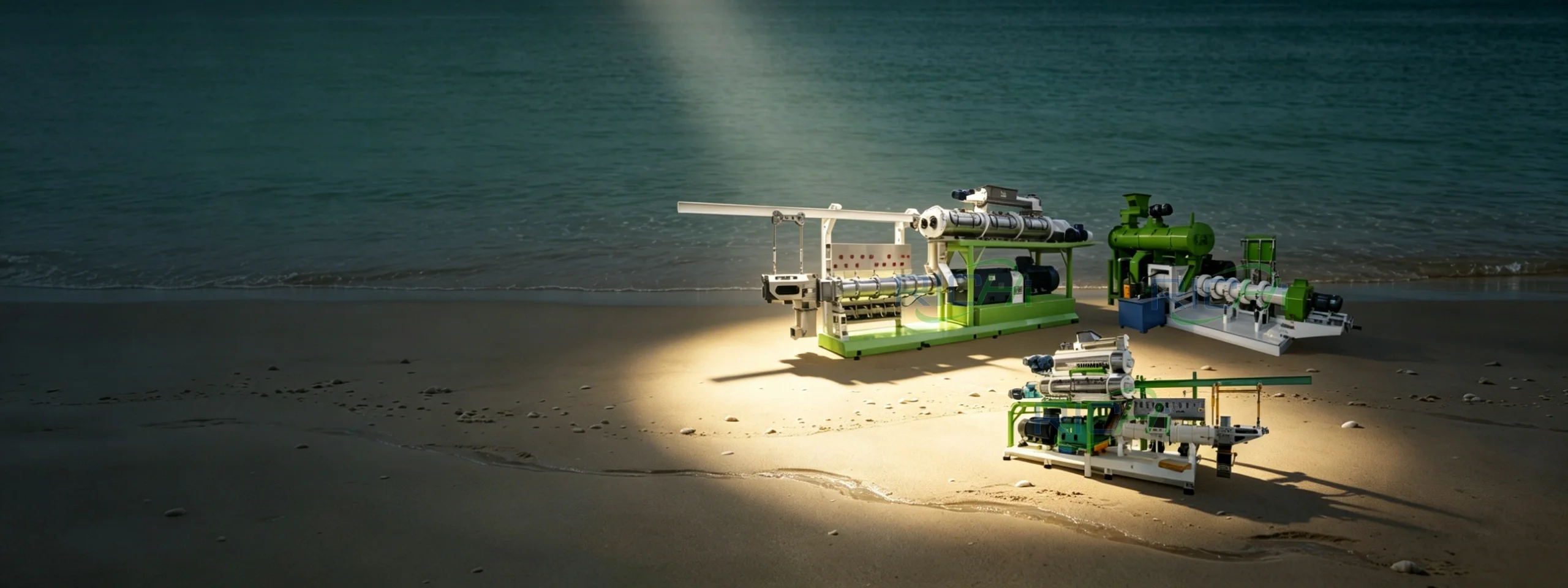

types of extruder machines for FLOATING fish FEED
Unlike the high-intensity compression of fish feed pellet making machine, this extruder incorporates an additional puffing process. This helps improve the maturation of fish feed and promotes digestion and absorption for fish. In addition, our floating fish feed extruder machine can also be used to produce high-quality sinking feed, pet food, and more. We also offer sinking fish feed extruder machine for the production of high-quality sinking feed.
single screw vs twin screw extruder
These three extruder types meet different production scale and quality requirements. Among them, single-screw extruders are further classified into wet and dry process configurations.
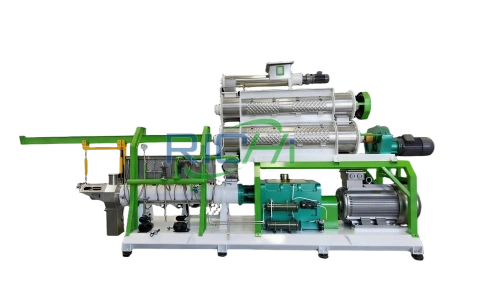
Dry type fish feed extruder
A single-screw dry type extruder is the most basic extruder in the production of aquatic feed pellets with a simple structure and low price. Also, it is easy to manipulate and control. It can be used in the production of floating fish feed, sinking aquatic feed, and more, ensuring the nutritional content and digestibility of feed.
Capacity: 0.2-1.0 T/H
Screw Diameter: 90-160 mm
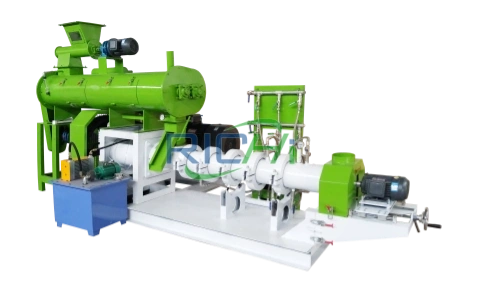
wet type fish feed extruder
It is typically connected to a steam system, which allows for higher conditioning temperatures. As a result, it achieves a higher degree of maturation and better extrusion results. It is suitable for continuous production needs, as well as for high-quality aquafeed and pet food. The fish feed can float on the water’s surface for at least 12 hours.
Capacity: 0.5-1.0 T/H
Screw Diameter: 90-135 mm
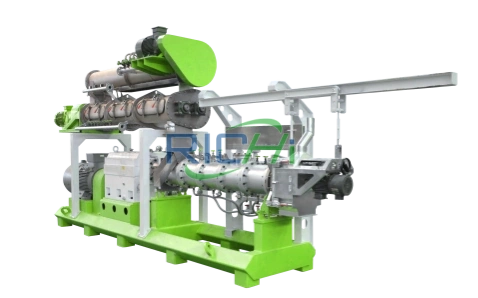
This machine is equipped with two extrusion screws that can be adjusted to different speeds, allowing it to accommodate a wider range of feed formulations, including sinking, semi-floating, and floating feeds. The die diameter ranges from 0.6 mm to 20 mm. It is suitable for the production of high-quality aquaculture and pet feeds.
Capacity: 0.5-12.0 T/H
Screw Diameter: 75-185 mm
Model Specifications for floating fish feed extruder machine
All types of extruder machines are available in various capacity configurations. Single-screw extruders are suitable for production scales ranging from 0.2 to 1.0 T/H, meeting basic feed production needs. Twin-screw extruders are ideal for large-scale, high-quality feed processing at capacities of 0.5 to 12 T/H or higher, particularly for comprehensive feed plants. In addition to the options listed below, we also offer customized configurations. Please feel free to share your production requirements with us.
Single-Screw extruder machine for fish feed
| Model | DGP-90B | DGP-120B | DGP-160B | DSP90-B | DSP135-B |
| Main Motor Power (kW) | 37 | 55 | 90 | 37 | 75 |
| Feeding Power (kW) | 0.75 | 202 | 3 | 7.5 | 7.5 |
| Cutting Power (kW) | 0.55 | 1.1 | 1.5 | 1.1 | 1.5 |
| Screw Diameter (mm) | 90 | 120 | 160 | 90 | 135 |
| Overall Dimensions (mm) | 2100*1450*1350 | 2400*1950*1600 | 3100*2650*1800 | 2600*1600*1900 | 3750*1980*1950 |
| Capacity (T/H) | 0.2-0.4 | 0.5-0.6 | 0.8-1.0 | 0.5-0.6 | 0.8-1.0 |
Twin-Screw extruder machine for fish feed
| Model | SPHS75x2 | SPHS120*2 | SPHS120*2 | SPHS150*2 | SPHS185*2 |
| Main Motor Power (kW) | 55 | 90 | 110 | 200 | 355 |
| Screw Diameter (mm) | 75 | 120 | 120 | 150 | 185 |
| Feeder Power (kW) | 1.5 | 1.5 | 1.5 | 1.5 | 2.2 |
| Conditioner Power (kW) | 7.5 | 11 | 11 | 11 | 11 |
| Differential Conditioner Power (kW) | 11 | 11 | 11 | 15 | 15 |
| Capacity (T/H) | 0.5-1.0 | 1.5-2.0 | 3.0-4.0 | 5.0-6.0 | 10-12 |
woking Video Of extruder machine for fish feed
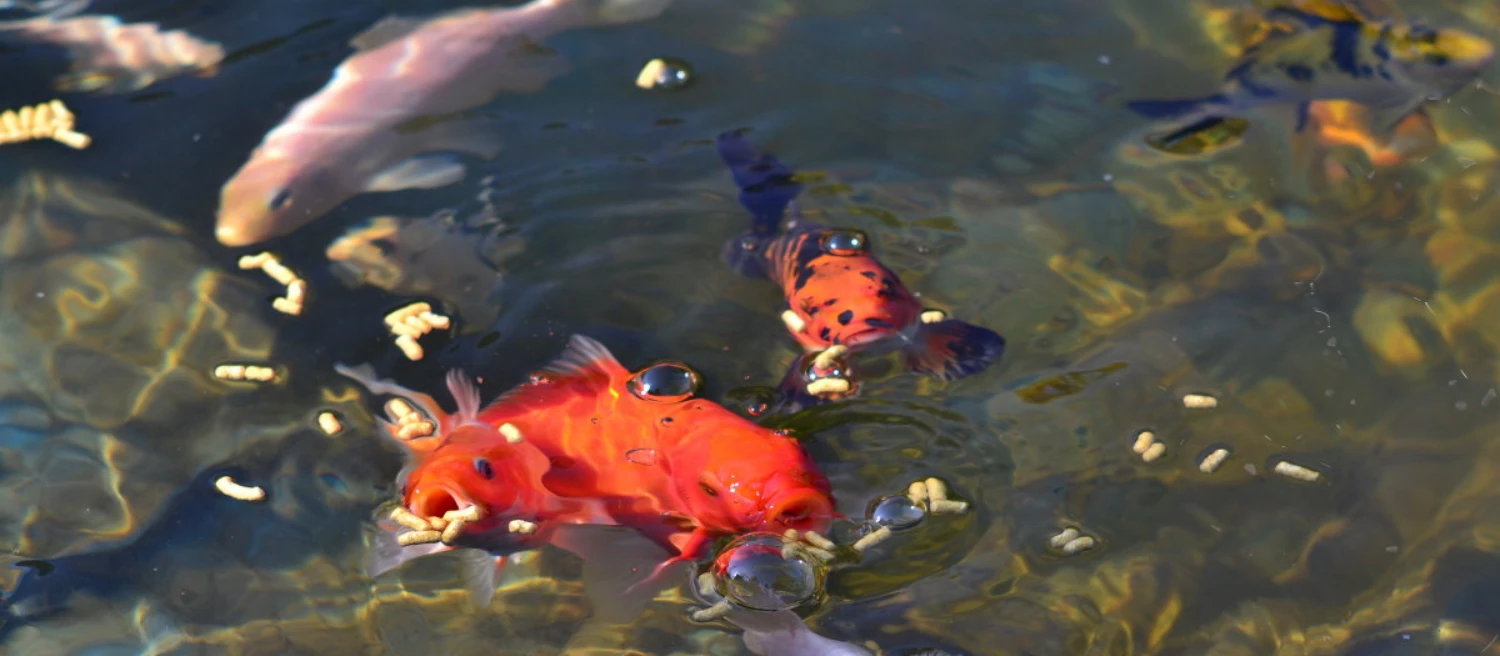
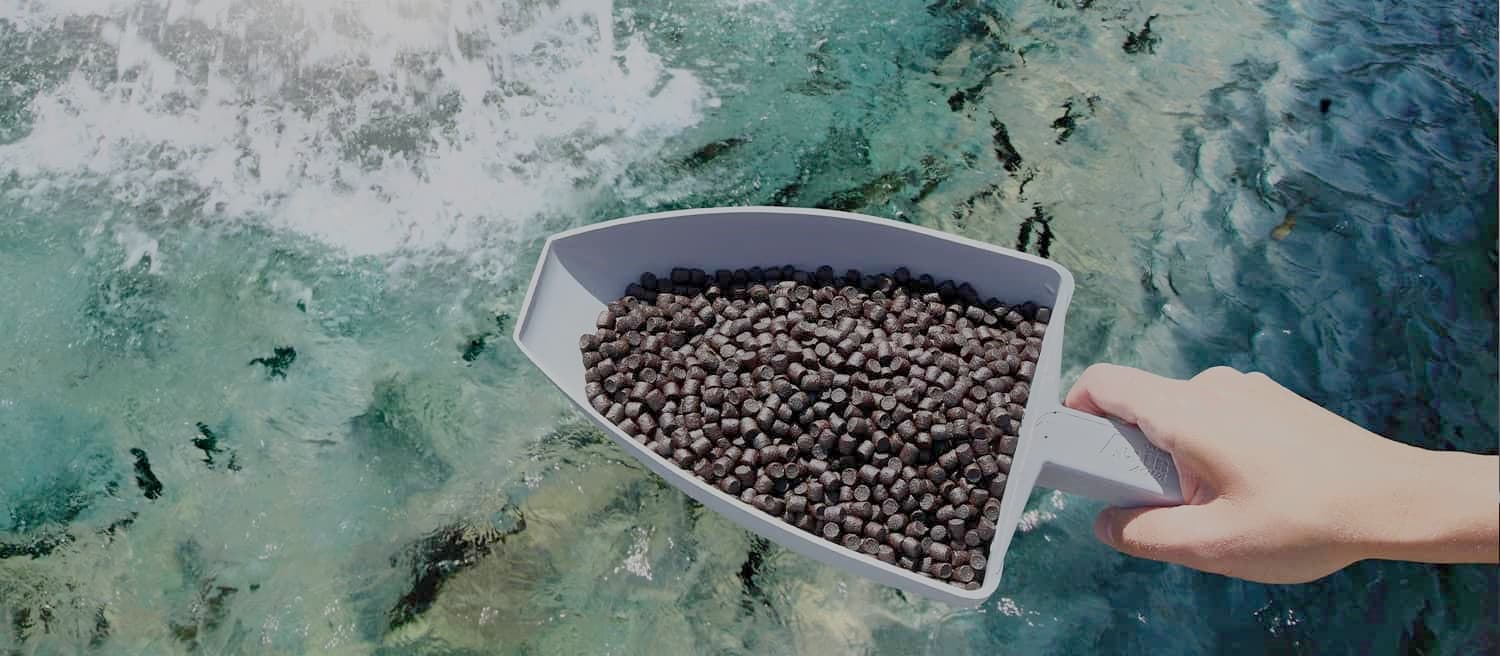
The following demonstrates the operational performance of floating fish feed extruder machines in actual projects. Aside from differences in structure and production capacity, they all deliver highly efficient and energy-saving performance. In actual projects, equipment configuration will be determined by production objectives and specific conditions. Please feel free to share your production needs.
Advantages
OF fish feed pellet extruder
This series of extruders features a highly efficient, energy-saving design that helps you reduce production costs. Their consistent extrusion performance ensures the production of high-quality fish feed. Our floating fish feed extruder machine is meticulously engineered to provide you with greater operational convenience.

Easy to Operate
Our extruders feature a high level of automation, which enhances production efficiency. Each model can be equipped with a PLC touchscreen control system, enabling one-touch production. In the fish feed production line, upstream and downstream processes are seamlessly integrated, making operation simple and intuitive.
Easy Maintenance
Thanks to the easy-access design, wear parts can be inspected at any time, allowing for effective maintenance or replacement. The entire unit utilizes wear-resistant materials, reducing the frequency of maintenance. The die is simple to replace; simply swap out dies with different hole diameters to produce feed pellets of varying sizes.
High Output Per Unit
It features high torque, high speed, and low energy consumption. Each extruder model is equipped with a variable frequency drive (VFD) to ensure smooth feeding and prevent machine jams. Shear forces within the extrusion chamber are optimally distributed, significantly increasing output per unit.
Long Service Life
Both the screw and the nut are made of wear- and heat-resistant alloy materials, effectively reducing wear and tear. Even during prolonged operation, they ensure stable output. For long-term production, this significantly reduces maintenance costs and improves return on investment.
Superior Feed Quality
The fish feed pellet extruder employs an internationally leading cutting mechanism, enabling stepless speed adjustment for cutting. This allows for the production of feed pellets of any desired length. The extruded pellets are uniform and aesthetically pleasing, with minimal burrs and superior water resistance.
Supports Multiple Formulations
Our equipment can process not only floating fish feed but also sinking aquatic feed, livestock feed, and poultry feed. In particular, the twin screw extrusion machine is capable of handling specialized fish feed and pet food formulations that require higher protein and fat content.
FLOATING FISH FEED production line
The fish feed production line is used to produce various floating fish feed, sinking fish feed, and pet food. It has the characteristics of simple operation and accurate parameter control. This solution can be configured with single-screw or twin-screw extruders, meeting production capacity requirements ranging from 0.2 to 20 T/H and above. Below is a selection of commonly used equipment types. We also offer customized solutions and turnkey project services.
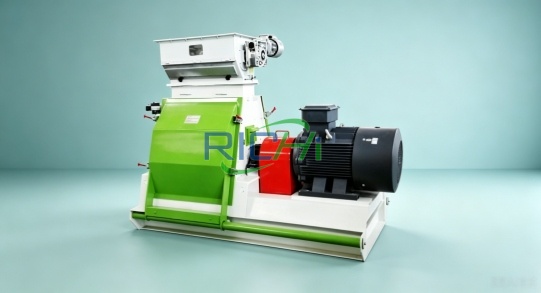
01 Raw Material crushing
This stage involves crushing feed raw materials to a size suitable for extrusion, thereby improving production efficiency and feed pellet formation.
Equipment: Raw Material Crusher
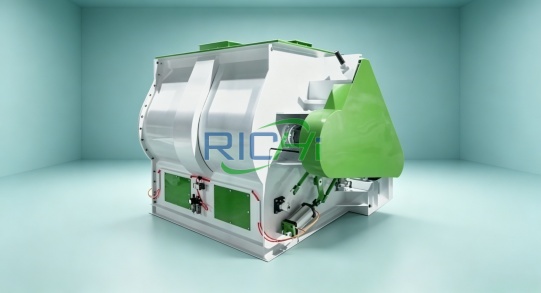
02 Raw Material Mixing
By mixing feed ingredients of different formulations, the process facilitates extrusion and ensures nutritional balance in the feed.
Equipment: Feed Mixer
03 Extrusion
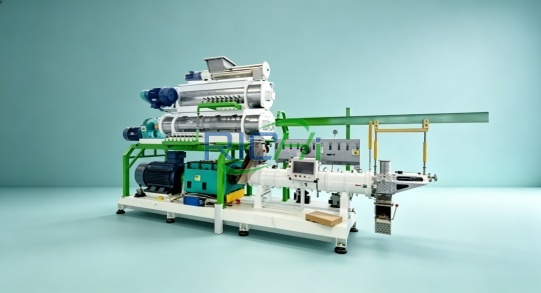
Through various types of screw extruders, the raw materials are conditioned and extruded into high-quality fish feed with excellent water resistance.
Equipment: floating fish feed extruder machine
04 feed drying
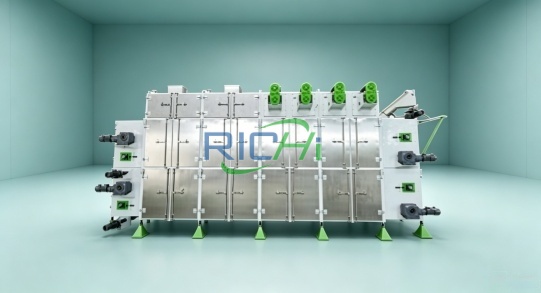
The fish feed is dried in a dryer to stabilize the optimal pellet structure and water resistance, thereby extending the shelf life.
Equipment: Mesh Belt Dryer
05 feed spraying
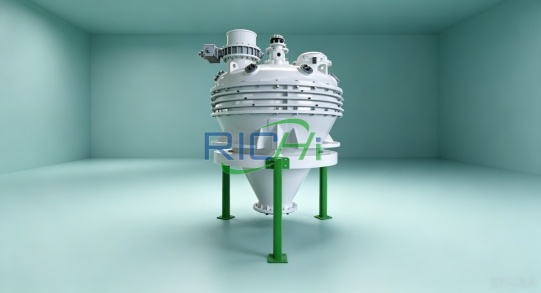
In this stage, various oils and liquid additives can be sprayed onto the feed surface to enrich the nutritional content and improve feed intake.
Equipment: oil Spraying Machine
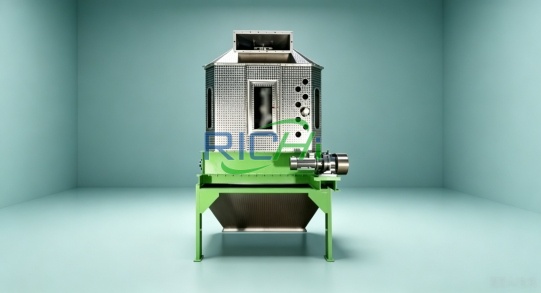
06 feed Cooling
High-temperature feed is rapidly cooled to solidify surface oils quickly, facilitating packaging and extending shelf life.
Equipment: cooling machine
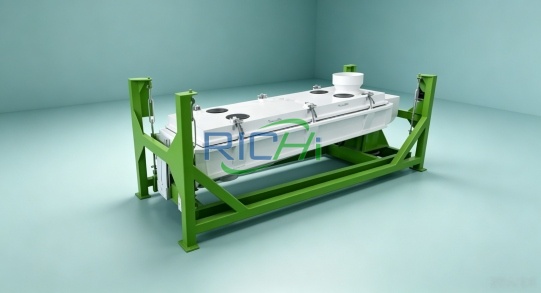
07 feed screening
Here, fish feed of different specifications is screened, while dust is removed to ensure consistent quality standards.
Equipment: Vibrating Screen
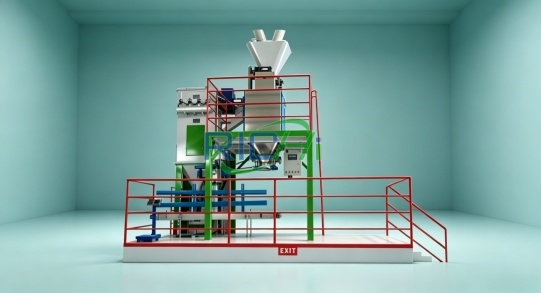
08 feed Packaging
To improve production efficiency and reduce labor costs, this stage automatically weighs and packages the fish feed.
Equipment: Packaging scale
global casea of the fish feed extruder
Our fish feed extruder projects span more than 140 countries and regions worldwide. As a result, we understand fish feed processing needs across the globe and can provide you with the most suitable extruder solutions. Beyond the outstanding performance of our individual machines, our production line solutions offer an even higher return on investment. Please feel free to contact us at any time to discuss the details of our solutions.
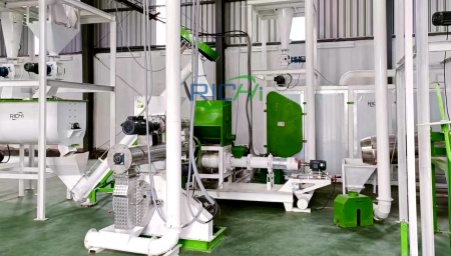

0.5-0.6 T/H floating fish feed extruder for sale Bangladesh
The client is a comprehensive aquatic feed pellet plant producing both fish and shrimp feed. This project includes an animal feed granulator and a single-screw extruder, enabling efficient production of a wide variety of feeds.
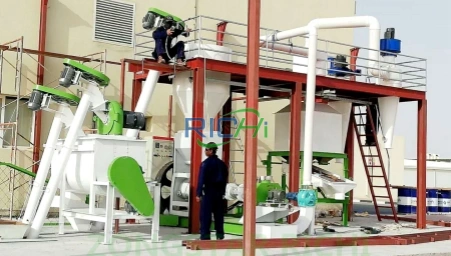

1 T/H floating feed extruder machine for sale in Qatar
As a small-scale floating fish feed line, this project is equipped with a single-screw extruder. It meets the needs for efficient and energy-saving production, consistently producing high-quality feed that meets the nutritional needs of fish.
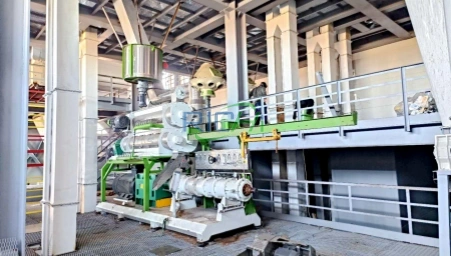

5 T/H floating fish feed extruder machine for sale Russia
This is a fish feed plant project for which we provided turnkey services. The project utilizes multiple units operating in parallel. A twin-screw extruder is used to produce fish feed with high water resistance and excellent expansion.
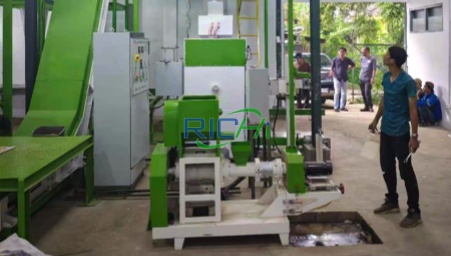

1-2 T/H extruder machine for floating fish feed in Indonesia
This fish feed plant project produces feed for local catfish and tilapia farming. It is equipped with a single-screw extruder and a complete production line system. The feed quality meets local demands, facilitating a return on investment.
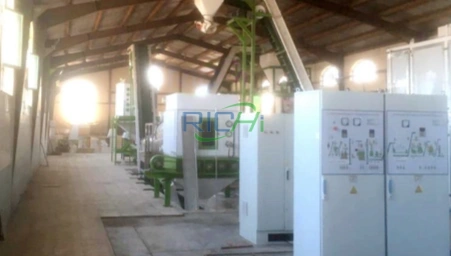

1.5-2 T/H floating fish feed extruder machine for sale in Iran
The client requires a versatile extruder system capable of producing floating fish feed and high-quality shrimp feed. This twin screw extrusion machine can handle a variety of aquafeed formulations, effectively meeting the production needs.
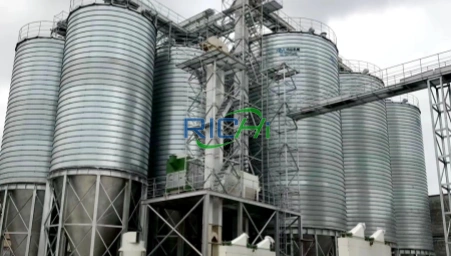

8-10 T/H floating fish feed extruder for sale in Brazil
This is a large-scale feed plant project aimed at producing feed for tilapia and shrimp. The extruder is configured with twin screws to meet the demands of high-end aquafeed. This automated project fulfills the commercialization needs.
Why Choose RICHI Machinery?
A Professional and Leading Manufacturer
RICHI MACHINERY owns CE/ISO/BV certifications. We can offer feed pelletizers, floating fish feed extruder machine, and biomass pelletizing equipment. With over 30 years of manufacturing expertise and project experience spanning more than 140 countries and regions, we provide global customers with machinery services.
For more efficient service, we have established a specialized service system. By combining pre-sales and after-sales support with both online and offline channels, we provide you with the most comprehensive equipment services.
From initial consultation to final production launch, RICHI provides a one-stop, end-to-end, standardized project service system that saves you time and effort throughout the process, ensuring the smooth implementation and stable operation of your pelletizing project.
Customized Solutions

Our engineers provide exclusive design solutions, precise capacity calculations, and detailed cost estimates. We tailor equipment to your specific needs based on raw materials, production capacity, and project objectives.
Complete Turnkey Project

A one-stop solution covering factory layout planning, on-site construction, export customs clearance, end-to-end logistics, safe delivery, equipment installation, commissioning, operator training, and after-sales service.
After-Sales Support

We offer a one-year warranty on the entire machine, genuine spare parts, technical guidance, and lifetime equipment upgrades and maintenance. RICHI’s experienced engineers ensure your long-term, stable production.
Frequently Asked Questions
Regarding the selection of floating fish feed extruder machine, we can provide you with the most detailed and comprehensive consultation. In addition to the frequently asked questions below, feel free to contact us at any time with your questions. We will also provide you with the most suitable solutions and accurate quote based on your needs.
–
What equipment is needed to produce floating fish feed?
When building or rebuilding the fish feed production line, the selection of a twin screw floating fish feed extruder should be considered first, and the equipment should be selected according to the production capacity and investment.
During the transformation of the fish feed production line, it is also necessary to consider whether the production capacity and production effect of the original feed grinder machine, cooling machine, and dryer can meet the requirements of the selected fish feed pellet making machine and whether the existing equipment can be used to reduce investment.
RICHI Machinery can provide you with a floating fish feed extruder machine of various capacities. We can help you with plan design, workshop layout, equipment production, installation, training to after-sales. If you are intending to invest in the aquatic feed pellet production industry, just contact us.
–
How does a floating fish feed extruder work?
Extrusion processing is a processing technology in that raw materials are processed by high temperature, high pressure, and instant ripening, integrating transportation, crushing, extrusion, mixing, shearing, high-temperature disinfection, and molding. And it can process viscous, high-fat, high moisture raw materials.
This is incomparable to the general production process, so it is increasingly used in the production of high-grade feed and food such as aquatic feed, pet feed, special breeding, etc.
–
What are the advantages of the expanded aquatic feed pellets produced by the floating fish feed extruder machine?
01 Good water resistance
The structure formed in the expansion process makes the expanded aquatic feed pellets stable in water. Whether it is the sinking feed or the floating feed, it can not collapse after soaking in water for 12 hours, which can maintain the quality of aquaculture water. It not only greatly reduces the waste of feed, but also provides a good environment for the healthy growth of aquatic animals.
02 Higher digestibility
The changes in starch, protein, and other substances caused by high temperature, high pressure, and strong shearing during the processing of expanded feed have improved the digestibility of such substances. The starch gelatinization degree of expanded aquatic feed is generally above 85%, while that of ordinary hard-grain aquatic feed is only about 40%. Strong extrusion can degrade some compact cellulose and keratin, release indigestible nutrients, and greatly improve digestibility.
03 Excellent palatability
The proper temperature and pressure during the expansion process make the finished feed granules porous and even in texture, and produce some flavor substances, which stimulate the appetite of aquatic animals and increase their intake.
04 Widen the scope of raw material utilization
The leftovers from the food industry, brewing industry, agriculture, and other industries are not easy to be processed into other forms of aquatic products due to the excessive water, oil, or cellulose content. The twin-screw fish feed pellet making machine can make full use of them and enrich the feed resources.
–
How to maintain the twin screw fish feed extruder?
In order to prolong the service life of the twin-screw floating fish feed extruder machine, it is necessary not only to operate strictly according to the operating procedures but also to clean and maintain it regularly. What are the specific cleaning and maintenance methods?
01 Resin cleaning method
This method is to clean the machine with resin, such as polyester resin or epoxy resin. This is generally used when the fish feed pellet making machine has been used for a period of time. When some materials remain on the screw or the screw cylinder and are gelatinized, the extrusion speed of materials becomes slow, and the color difference of the color change varieties is large, this method can be used.
02 Non-resin cleaning method
This method uses materials such as rice, corn, sawdust, and toilet paper that have certain friction and are easy to crush. When the fish feed extruder is heated to the normal extrusion temperature, the friction between these materials and the screw and the screw barrel is used to remove the residues on the surface of the screw and the screw barrel.
Experience shows that the hardness of rice husk is high and the friction force is great, compared with the effect of machine cleaning. After cleaning with this method, it is necessary to open the screw barrel to check the cleaning condition.
In addition to cleaning methods, you should also be aware of the following maintenance tips:
- After using the machine for a period of time, a comprehensive inspection shall be carried out to check the tightness of all screws.
- In case of power interruption in production, the main drive and heating will stop. When the power supply is restored, all sections of the barrel must be reheated to the specified temperature and kept warm for a period of time before starting the extruder.
- After the extruder has been used for 500 hours, there will be iron chips or other impurities in the reduction gearbox. Therefore, the gears should be cleaned and the lubricating oil of the reduction gearbox should be replaced.
- The screw can only be started at low speed, and the idling time shall not exceed 3 minutes.
- No sundries are allowed in the materials, and hard objects such as metal, sand, and gravel are strictly prohibited from entering the hopper and extruder.

